A Homeowner's Guide to Keeping Septic Systems Healthy and Trouble-Free
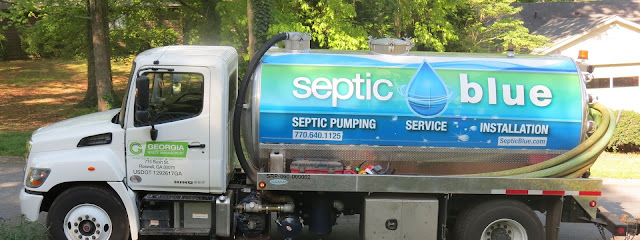
A septic system works quietly in the background, but it needs regular attention to keep household wastewater flowing properly. Many homeowners only think about their tanks when they notice slow drains, unpleasant odors, or water collecting around the yard. By then, a small maintenance concern may have turned into a bigger problem. Scheduling septic pumping Kennesaw at suitable intervals can help remove accumulated sludge, reduce the risk of backups, and keep the system operating as it should. Along with professional maintenance, understanding how your septic system works and adopting a few everyday habits can help protect your property and avoid unnecessary repair expenses.

Why Regular Septic Maintenance Matters
A septic tank separates household wastewater into three layers. Heavy solids settle at the bottom as sludge, oils and grease float to the surface as scum, and the liquid wastewater flows toward the drain field.
Over time, sludge and scum accumulate inside the tank. If they are not removed when necessary, solids may move into the drain field and affect its ability to absorb wastewater.
Regular maintenance helps homeowners:
Reduce the chances of sewage backing up into sinks, toilets, and showers.
Prevent unpleasant smells around the house and yard.
Protect the drain field from excessive solid waste.
Identify developing problems before they become expensive repairs.
Support the long-term performance of the entire septic system.
The right maintenance schedule depends on tank size, household occupancy, water usage, and the amount of solids entering the system. A professional inspection can help determine when service is needed.
Warning Signs Your Septic Tank Needs Attention
Septic problems rarely appear without warning. Paying attention to small changes around your property can help you respond before the situation becomes serious.
Here are some common signs to watch for:
1. Slow Drains Throughout the House
If multiple sinks, showers, and toilets drain slowly, the issue may involve the septic system rather than a single clogged pipe.
2. Unpleasant Odors
Persistent sewage smells near drains, the tank area, or the yard may indicate excessive waste buildup or a system problem.
3. Wet Spots Around the Drain Field
Unusually soggy ground, standing water, or unusually green grass near the drain field can point to wastewater surfacing where it should not.
4. Frequent Plumbing Backups
Repeated toilet or drain backups may suggest that the tank is full, the outlet is blocked, or another component needs attention.
5. Gurgling Sounds
Strange bubbling or gurgling noises from plumbing fixtures can indicate drainage difficulties that deserve further inspection.
If you notice several of these symptoms, arrange a professional assessment instead of waiting for the problem to worsen.
Everyday Habits That Help Protect Your Septic System
Good septic maintenance is not limited to professional service visits. What goes down your drains every day also affects how well the system performs.
Be Careful About What You Flush
Toilets should only receive human waste and toilet paper. Avoid flushing wipes, sanitary products, paper towels, cotton balls, diapers, and other household waste. Even products labeled flushable may take longer to break down and contribute to blockages.
Keep Grease Out of Kitchen Drains
Cooking oil, grease, and fats can solidify inside plumbing and contribute to scum buildup. Collect used cooking grease in a container and dispose of it properly instead of washing it down the sink.
Avoid Excessive Water Usage
Using too much water in a short period can overload the septic tank and prevent proper separation of solids and liquids.
Try these simple steps:
Repair leaking faucets and running toilets.
Spread laundry loads across different days.
Install water-efficient fixtures where practical.
Avoid running several water-heavy appliances simultaneously.
Protect the Drain Field
Never park vehicles or place heavy equipment over the drain field. Compacted soil can damage pipes and reduce the area's ability to absorb wastewater. Keep trees and large shrubs away from septic components because their roots may interfere with underground lines.
Why Professional Inspections Are Worth Scheduling
A septic tank has several components that need to work together. A problem with the inlet pipe, outlet baffle, filter, or drain field can affect the entire system.
Professional inspections help identify concerns that may not be visible from the surface. A technician can check the tank's condition, measure sludge and scum levels, examine accessible components, and recommend appropriate maintenance.
Inspections are particularly useful when:
Buying or selling a property with a septic system.
Moving into a home with an unknown maintenance history.
Experiencing recurring drainage problems.
Noticing changes around the tank or drain field.
Planning major household renovations or adding occupants.
Keeping service records is also helpful. Record the dates of inspections, pumping visits, repairs, and any recommendations. This information makes future maintenance easier to plan.
Understanding the Cost of Septic Maintenance
The cost of septic pumping Austell can vary from one property to another. There is no single price that applies to every household because several factors influence the final amount.
Common pricing factors include:
Tank capacity: Larger tanks generally require more time and effort to service.
Accessibility: Difficult-to-reach tank lids may increase labor requirements.
Tank condition: Heavy sludge buildup or neglected maintenance may require additional attention.
Location: Travel distance and local disposal requirements can affect service costs.
Additional work: Inspections, filter cleaning, camera assessments, or repairs may add to the overall expense.
Homeowners should request a clear estimate explaining what the service includes. Regular maintenance may also help reduce the likelihood of expensive emergency repairs, although it cannot prevent every possible septic problem.
Seasonal Considerations for Septic Systems
Changes in weather can affect septic system performance. Heavy rainfall may saturate the soil around the drain field, making it harder for wastewater to move through the ground. During wet periods, avoid unnecessary water use and watch for standing water near the system.
Before colder weather arrives, make sure exposed pipes and accessible components are properly protected. Avoid driving over the tank or drain field, especially when the ground is soft.
Homeowners should also keep roof gutters and other drainage outlets directed away from the drain field. Excess surface water can interfere with the soil's ability to absorb wastewater.
Frequently Asked Questions
1. How often should a septic tank be pumped?
Most household septic tanks need pumping every three to five years. However, the ideal schedule depends on tank capacity, household size, water usage, and accumulated solids.
2. What happens if a septic tank is not pumped regularly?
Solids can build up and eventually move into the drain field, causing blockages, drainage problems, sewage backups, and potentially expensive repairs.
3. Can household cleaning products damage a septic system?
Excessive use of harsh chemicals, disinfectants, and antibacterial products may affect the beneficial bacteria inside the tank. Use household cleaning products responsibly and follow product instructions.
4. What should never go down a septic drain?
Avoid flushing wipes, diapers, sanitary products, paper towels, cooking grease, chemicals, and other non-biodegradable materials. Stick to human waste and toilet paper.
5. How can I tell if my drain field has a problem?
Warning signs include standing water, sewage odors, unusually green grass, and slow drainage. Contact a septic professional if you notice these symptoms.
Give Your Septic System the Attention It Needs
A septic system can serve a household for many years when homeowners follow sensible maintenance practices. Paying attention to warning signs, managing water consumption, disposing of household waste correctly, and scheduling inspections can help prevent avoidable problems.
Whether you are maintaining an older tank or looking after a recently purchased property, taking action before problems develop is always a sensible approach. Homeowners looking for professional assistance with septic pumping Austell can contact Septic Blue for septic maintenance support and help keeping their wastewater systems in good working condition.

Comments
Post a Comment