Smart Septic Care Habits That Help Prevent Unexpected Problems
A septic system handles an important part of your household routine, but it is easy to forget about it when everything works normally. Every shower, laundry load, and kitchen cleanup sends wastewater into the system. Over time, solid waste collects inside the tank, and everyday habits can affect how efficiently the system operates. Without proper attention, minor concerns may develop into slow drains, unpleasant odors, or sewage backups. Fortunately, regular maintenance and a few simple changes around the house can help prevent many of these problems.

Understand Why Septic Maintenance Matters
A typical septic system has two main parts: a septic tank and a drain field. Wastewater from your home flows into the tank, where heavier solids settle at the bottom and lighter materials float to the surface. Naturally occurring bacteria help break down some of the waste, while partially treated liquid moves into the drain field for further treatment by the soil.
This process works best when the tank is properly maintained. As solids accumulate, the available space for wastewater decreases. If the tank becomes too full, solids can escape into the outlet and create blockages in the drain field.
Regular inspections and pumping help control this buildup. They also give technicians an opportunity to identify leaks, damaged components, or other concerns before they become expensive repairs.
Follow a Practical Pumping Schedule
One of the most important parts of septic care is knowing when the tank needs pumping. There is no single schedule that works for every household because several factors influence how quickly solids accumulate.
These include:
Tank capacity: Smaller tanks generally fill faster than larger ones.
Household size: More people usually means more wastewater entering the system.
Water consumption: Frequent laundry and long showers increase the system's workload.
Garbage disposal use: Food scraps add to the solid waste inside the tank.
Maintenance history: A neglected system may require more immediate attention.
Many residential septic tanks need pumping every three to five years, although some require more frequent service. The best approach is to keep records of previous pumping dates and inspection findings.
Homeowners researching septic tank pumping atlanta should consider their tank size, household water usage, and previous maintenance history before choosing a schedule. A professional inspection can help determine when pumping is actually necessary.
Be Careful About What Goes Down the Drain
Your septic system is designed to handle household wastewater and human waste. It is not a disposal unit for rubbish, grease, or harsh chemicals.
Some materials do not break down easily and can contribute to blockages. Others may interfere with the natural biological activity inside the tank.
Avoid flushing or pouring these items into your plumbing:
Wet wipes, even those labeled as flushable
Paper towels and tissues
Sanitary products and cotton swabs
Dental floss and cigarette butts
Cooking grease, fats, and oils
Paint, solvents, pesticides, and other hazardous chemicals
Keep a small rubbish bin in the bathroom for items that should not be flushed. In the kitchen, allow cooking grease to cool before disposing of it properly rather than washing it into the sink.
These everyday precautions help reduce unnecessary waste entering the tank and make it easier for the system to function properly.
Manage Household Water Use
Too much water entering a septic tank in a short period can disturb the settling process. It may also overload the drain field, especially after heavy rainfall when the surrounding soil is already saturated.
You can reduce this pressure with a few practical habits.
Repair leaking faucets and running toilets as soon as possible. Spread laundry loads across the week instead of washing everything in one day. Avoid running multiple water-heavy appliances simultaneously, and consider installing water-efficient fixtures.
Pay attention to sudden increases in your water bill. If your household routine has not changed, a hidden leak may be responsible. Fixing it promptly can prevent unnecessary water from entering the septic system.
Recognize Early Signs of Septic Trouble
A septic system often provides warning signs before a major failure occurs. Knowing what to look for can help you arrange service at the right time.
Slow drains: If several sinks, showers, and toilets drain slowly, the issue may involve the main plumbing line or septic system.
Unpleasant odors: Persistent sewage smells near the tank, drain field, or indoor plumbing should be investigated.
Gurgling sounds: Unusual noises from toilets and drains can indicate restricted wastewater flow.
Wet patches in the yard: Standing water or unusually soggy ground near the drain field may signal poor wastewater dispersal.
Frequent backups: Sewage returning through toilets or floor drains requires prompt professional attention.
Do not assume that every warning sign means the tank is full. Blocked pipes, damaged components, and drain field problems can cause similar symptoms. A proper inspection helps identify the actual source.
If sewage backs up into your home, stop using water as much as possible and contact a qualified septic professional. Keep children and pets away from contaminated areas.
Protect the Drain Field
The drain field plays a major role in treating wastewater after it leaves the septic tank. If the soil becomes compacted or the buried pipes are damaged, wastewater may not disperse properly.
Avoid parking vehicles or placing heavy equipment over the tank and drain field. Excessive weight can damage underground components and compress the soil.
Be mindful when planting trees and shrubs. Roots from certain plants can interfere with buried pipes, so keep large trees at a suitable distance from the system.
It is also important to direct roof runoff and downspouts away from the drain field. Too much surface water can saturate the soil and make wastewater treatment less effective.
Prepare for Seasonal Weather Changes
Heavy rainfall can affect septic performance by saturating the soil around the drain field. During particularly wet periods, reduce unnecessary water use and watch for standing water, unusual odors, or slow drainage.
Cold weather can create challenges for shallow pipes and systems with insufficient soil cover. Avoid driving over septic areas when the ground is soft or frozen, and seek professional advice if you suspect a frozen pipe.
For homeowners arranging septic pumping Loganville, seasonal inspections can be a useful part of a long-term maintenance plan. Checking the tank and surrounding drainage conditions helps identify concerns before they become more disruptive.
Why Professional Inspections Are Important
Some septic problems cannot be identified simply by looking at the yard or checking the drains. A qualified technician can examine accessible components, measure sludge and scum levels, check for signs of leaks, and recommend whether pumping is needed.
Professional inspections are particularly useful when buying a home, managing an older system, or dealing with recurring drainage issues. They can also help determine whether a problem involves the tank, plumbing lines, or drain field.
When arranging a maintenance visit, ask what the service includes and whether additional repairs or disposal fees may affect the final cost. Keep copies of inspection reports and service invoices for future reference.
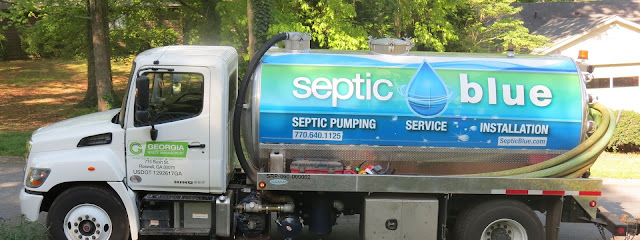
Septic Blue helps homeowners with septic maintenance and care, making it easier to address system concerns and plan routine service.
Frequently Asked Questions
1. How often should a residential septic tank be pumped?
Many residential systems need pumping every three to five years. However, the schedule depends on tank size, household occupancy, water use, and accumulated solids. Inspections help establish the right interval.
2. What happens if a septic tank is not pumped regularly?
Solid waste can accumulate until it moves into the outlet and potentially clogs the drain field. This may lead to slow drains, sewage backups, unpleasant odors, and costly repairs.
3. Can too much water damage a septic system?
Excessive water use can overload the tank and drain field. Spreading laundry loads throughout the week, repairing leaks, and avoiding unnecessary water consumption can help reduce the strain.
4. Are wet wipes safe for septic systems?
Even wipes labeled as flushable may not break down like ordinary toilet paper. They can contribute to blockages, so it is better to dispose of them in a rubbish bin.
5. Does heavy rain affect septic systems?
Yes. Saturated soil can make it difficult for wastewater to disperse through the drain field. Reduce unnecessary water use during wet weather and arrange an inspection if you notice pooling or sewage odors.
6. Is pumping enough to maintain a septic system?
No. Pumping removes accumulated solids, but it cannot repair damaged pipes, faulty tank components, or a failing drain field. Inspections, water conservation, and proper waste disposal are also necessary.
Conclusion
Good septic maintenance starts with consistent attention to everyday habits. Control household water use, keep unsuitable materials out of your drains, protect the drain field, and arrange inspections based on your system's condition. Most importantly, do not ignore slow drains, sewage odors, or unusual wet areas around your property. Addressing these concerns early can help prevent unexpected disruptions and reduce repair expenses. A little planning today can make a meaningful difference to your septic system's long-term performance.


Comments
Post a Comment